International freight shipping is the process of moving goods between countries using transportation networks such as ocean freight, air freight, road transportation, and multimodal logistics. For businesses operating across borders, choosing the right shipping strategy is essential for controlling costs, meeting delivery deadlines, and keeping supply chains running smoothly.
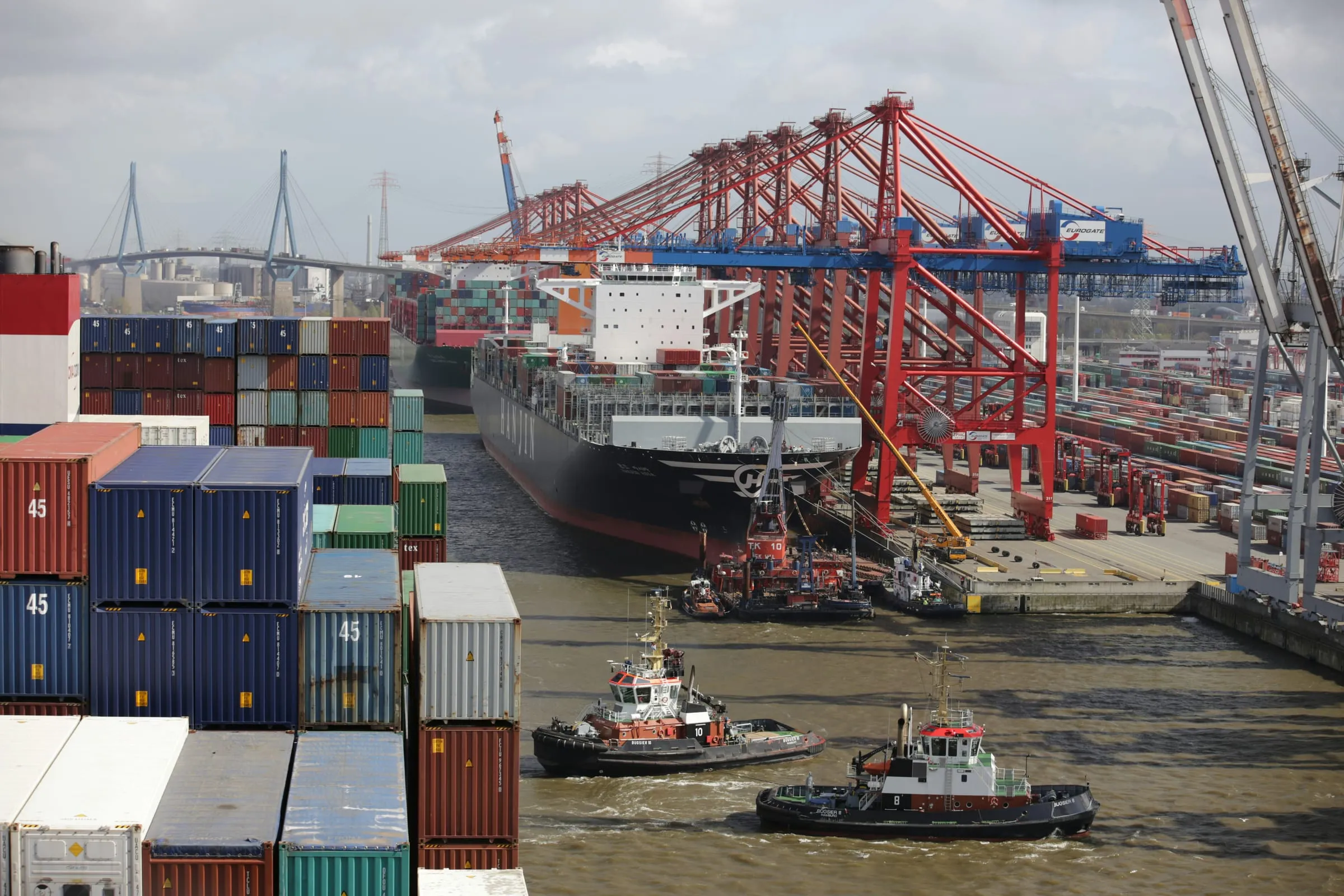
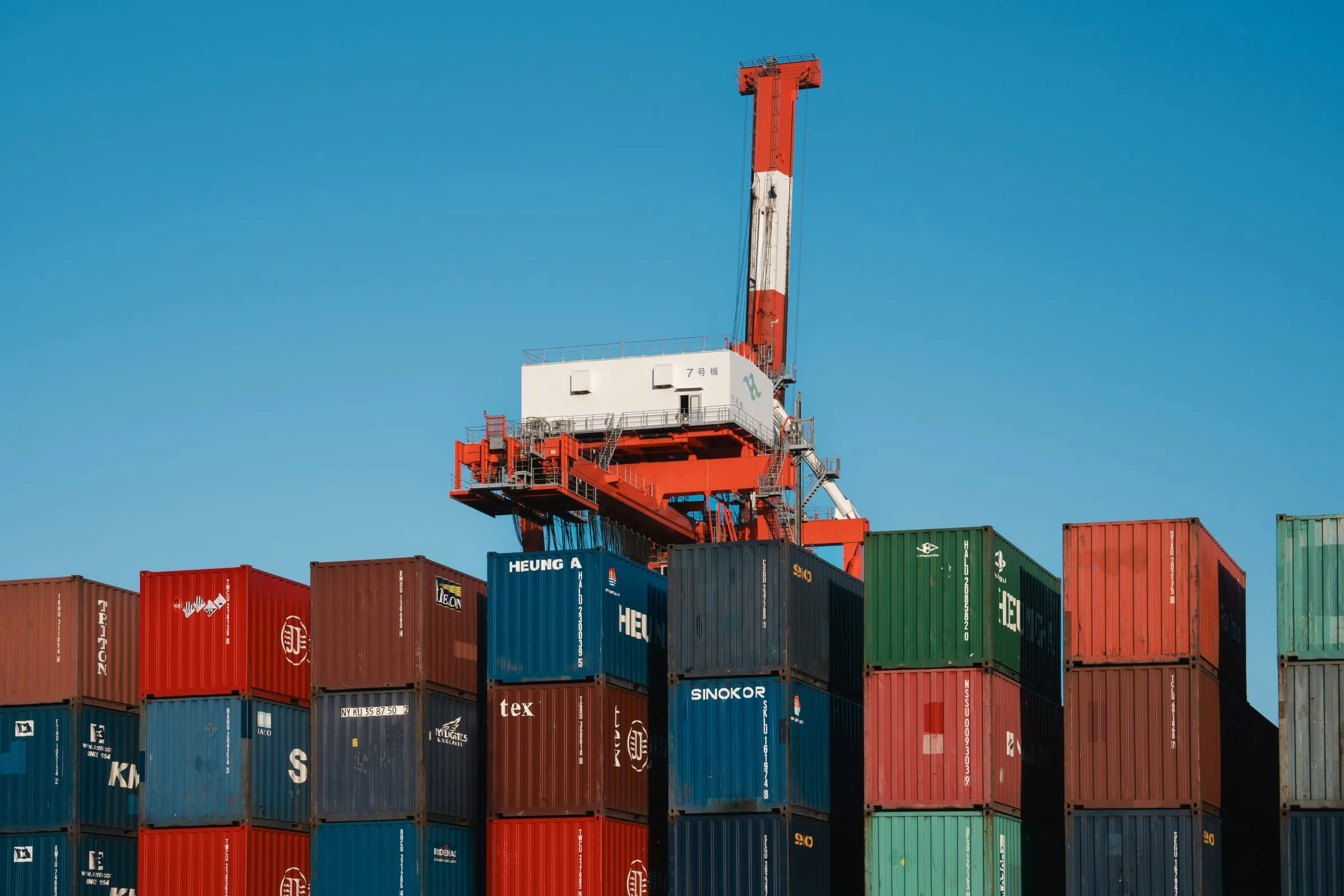
Ocean freight is one of the most common options for international shipments, especially when businesses need to move large volumes of cargo. Full Container Load (FCL) is suitable when a shipment requires an entire container, while Less-than-Container Load (LCL) allows smaller shipments to share container space. Ocean freight generally offers lower transportation costs but longer transit times.
Air freight is a better choice when speed is critical. It is commonly used for urgent orders, high-value products, electronics, medical supplies, samples, and other time-sensitive cargo. Although air transportation typically costs more than ocean freight, faster transit times can help businesses maintain inventory levels and meet demanding customer delivery schedules.
Before shipping internationally, businesses need to prepare accurate documentation. Common documents include commercial invoices, packing lists, bills of lading or air waybills, certificates of origin, and customs documentation. Requirements can vary depending on the destination, cargo type, and applicable trade regulations, so proper preparation is important to avoid unnecessary delays.
Customs clearance is another important part of international freight shipping. Customs authorities review shipments to ensure that goods comply with import and export requirements. Incorrect information, missing documents, or inaccurate cargo classifications can lead to delays, additional costs, or shipment complications.
Businesses should also consider the complete journey rather than focusing only on the main transportation leg. International shipments may involve pickup, warehousing, port or airport handling, customs clearance, transportation, and final delivery. A freight forwarder can coordinate these stages and connect different transportation providers to create a more efficient door-to-door solution.
Shipment visibility is equally important when moving cargo internationally. Tracking technology allows businesses to monitor shipments, receive status updates, and identify potential delays during transportation. Better visibility helps companies plan inventory, communicate with customers, and respond more quickly when changes occur.
Successful international freight shipping requires careful planning, reliable partners, accurate documentation, and the right transportation method. By considering cargo requirements, delivery timelines, destination, total costs, customs procedures, and visibility, businesses can create a shipping strategy that is both efficient and dependable while supporting long-term international growth.